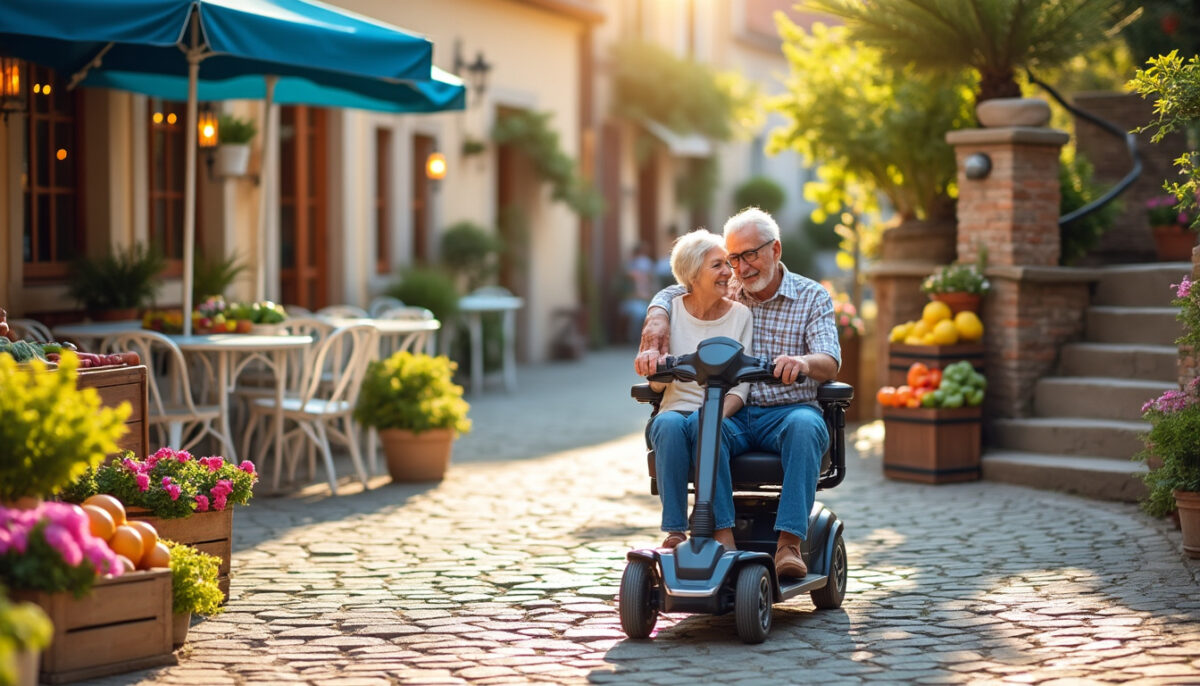
Senior mobility: how much should you sacrifice to avoid walking too much?
Hi, it’s Lucien. To travel without walking too much, choose well-located accommodation, straightforward transfers and one main visit per day, with an easy way to get back. You don’t have to give up traveling: you can simply reduce unnecessary distances and the number of stops. Here are the things to check before booking that can make all the difference.
- Plan short outings with regular breaks to avoid exhaustion.
- Use suitable mobility aids, such as a cane or walker, if needed.
- Wear comfortable shoes and make sure your suitcase is lightweight so you get less tired.
- Choose ergonomic seats on public transport to limit discomfort.
- Find out about local travel accessibility and accessible transport options.
Why walking too much spoils the enjoyment of travel for seniors with mobility needs
There is no maximum distance that works for all seniors: the effort involved depends on your usual abilities, the terrain, the heat and how long you spend standing. Without breaks, fatigue builds up, joint pain sets in, and fear of falling takes hold. This downward spiral reduces your motivation to go out, and therefore to truly enjoy your trip. It’s common to see seniors ignore their bodies’ signals and choose overly packed itineraries. This mistake is described in detail in this guide to overly packed itineraries, which explains how to listen to your limits and maintain your independence.
A common example: someone with osteoarthritis who attempts a full day of sightseeing on foot ends up in pain and no longer enjoys their vacation. Adapting your trip often means giving up a few stops to maintain comfort as a senior traveler.
What should you give up to travel without walking too much?
You often need to give up marathon itineraries and prioritize:
- Visiting fewer places, but spending more time at each one,
- Relaxed activities such as river cruises or sightseeing bus tours,
- Sites with gentle slopes and stable surfaces,
- Flexibility to adjust distances depending on how you feel that day,
- A simple itinerary that avoids rushing from one place to another.
For example, a ride in an electric cart through a botanical garden lets you take in the scenery without getting tired. A sightseeing service can reduce the amount of walking, but check the steps needed to get on, the queues and whether seats are available: an old tram is not necessarily accessible. These small sacrifices can maximize your well-being.
What should you ask about when planning a trip with little walking?
Ask about the distance from the vehicle to the site entrance, the number of steps, how long you will need to stand and whether there are places to sit. For your hotel, check the actual route from the train station, whether there is an elevator to your room and how accessible the bathroom is. The phrase “city center” tells you nothing about slopes or cobblestones.
Example of a relaxed day: a pre-booked transfer to an accessible museum, a visit with breaks, lunch at the museum, then a return to the hotel. Keep an optional activity nearby rather than making a second visit compulsory. Confirm access arrangements directly with the venue and budget for your return transport.
As Assurance Maladie explains about physical activity after age 65, exertion should be adapted to your abilities and health. A vacation itinerary is no substitute for personalized medical advice if you are concerned about your health or balance.
3 steps to plan a comfortable trip that suits your needs
- Assess your stamina: consult a doctor for a thorough assessment and make note of any pain or potential risks.
- Plan a trip with straightforward journeys: choose accessible accommodation, prioritize suitable transport and schedule breaks.
- Check your equipment and access arrangements: use a mobility aid that already suits your needs, and ask about steps, access widths and the arrangements for transporting your equipment.
A common mistake to avoid is underestimating fatigue on the very first day. To learn more, read this account of the first-day pitfalls, which shows why it’s important to start slowly.
Summary table: good practices and mistakes to avoid when traveling as a senior with mobility needs
| Effective actions | Common mistakes |
|---|---|
| Plan short outings with regular breaks | Walking for too long without breaks or adjustments |
| Use suitable walking aids (cane, walker) | Ignoring pain and pushing yourself to cover more distance |
| Wear comfortable, stable shoes | Taking a heavy, poorly designed suitcase |
| Choose an ergonomic seat on public transport | Ignoring comfort when traveling by plane or bus |
| Alternate relaxing activities with gradually increasing walks | Planning days that are too packed and tiring |
Risk prevention and everyday comfort when traveling as a senior
Fear of falling is a major obstacle. While you’re there, it’s essential to assess the terrain: stairs, slippery sidewalks and uneven surfaces should all be warning signs. Consulting an occupational therapist can be valuable, especially when adapting temporary accommodation.
Mobility aids are very often a benefit, not a sign of dependence. They build confidence and make it possible to go on longer outings. Choose an aid that suits you with the help of a professional; a cane or walker should not be used as an improvised device to help you get up after a fall.
At what age should you really adapt your mobility when traveling?
There is no single age: adapt your itinerary to your usual abilities. Unusual fatigue or persistent pain warrants medical advice before you increase your level of exertion.
How can you avoid excessive fatigue while traveling?
Alternate walking with frequent breaks, lighten your load (suitcase, bag), choose suitable equipment and prioritize straightforward journeys. Managing your exertion is key to avoiding exhaustion.
Are mobility aids a sign of dependence?
No, they make walking safer, build your confidence and often help you stay independent for longer while traveling. They are allies, not a weakness.
Can you continue traveling with osteoarthritis?
Yes. By adapting your journeys, taking enough breaks and following medical advice, traveling can remain a source of enjoyment despite osteoarthritis.
Thank you for caring about our seniors; Lucien