Senior Safety: 5 Pitfalls That Put Seniors at Risk
Hello, Lucien here.
To avoid the five most common traps, don’t click, don’t share any codes, and verify every request by calling the organization or person you know back on a familiar number.
Scams often play on fear, trust, or urgency. Digital safety starts with one simple habit: taking the time to verify.
Things to do right away
- Hang up if a caller asks you for a banking code, a bank transfer, or cash.
- Don’t open links received by text or email to pay a fine or renew a card.
- Call your bank or loved one back using a number that’s already saved or an official number.
- Never let a stranger take control of your computer.
- Talk to someone you trust about a worrying call before taking action.
These habits are also useful before a trip: an unexpected call may claim that a loved one needs help or that your account is at risk. To prepare for a more relaxing trip, you can read these tips on safety for seniors traveling alone and find out whether traveling with other seniors offers a real safety net.
Senior safety: five traps to watch out for
Scammers don’t rely only on clumsy messages. In 2026, a displayed phone number can be spoofed and a familiar voice imitated. Neither of these details, on its own, proves that a request is genuine.
1. The fake bank adviser and phone scam
Someone claims to work for your bank and says that bank fraud is underway. They may sound professional, know your name, or display a number that looks like the bank’s.
The trick is to pressure you into revealing your passwords, a code sent by text, or transferring your money to a supposedly secure account. Hang up, then call your bank using the number printed on your card.
2. A loved one supposedly in distress
An upsetting call announces an accident, an arrest, or an urgent need for money. An imitation of their voice can make the story more convincing, but emotion is no substitute for verification.
Ask a question known to your family, hang up, and call your loved one directly or contact another family member. A family password agreed on in advance can help foil this identity theft.
3. Texts about fines, parcels, or the Carte Vitale
The message claims that a small payment is required or that you need to take action immediately. The link sometimes leads to a copycat website designed to steal data or collect banking details.
Don’t click malicious links. Open the official website yourself in your browser or contact the organization through its usual channel. Phishing is often more convincing when it copies the colors and wording of a familiar service.
4. Tech support that turns into an intrusion
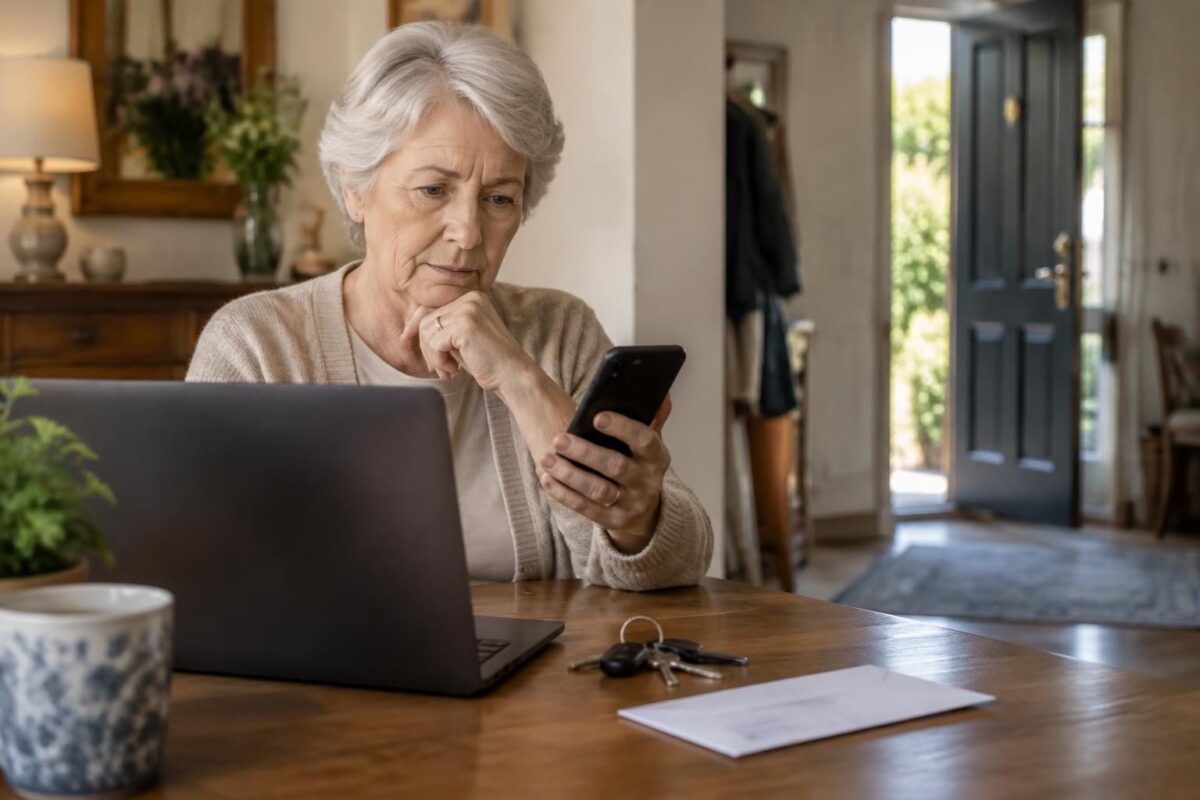
An alarming pop-up claims that your computer is infected and displays a number to call. The fake technician may ask for payment, the installation of remote-access software, or access to your accounts.
Close the page without calling the number shown. If you’ve already allowed access, disconnect from the internet and ask someone you trust or a verified professional for help.
5. Door-to-door sales and miracle investments
A visitor claims to have been sent by a well-known organization, pressures you to let them in, or demands an immediate signature. At a distance, an investment offer with “no risk” or exceptional returns may also conceal a scam.
Don’t sign anything under pressure, and don’t give money or jewelry to a stranger. Verify the salesperson’s identity with the organization using contact details you find independently, then take the time to ask for advice.
Warning signs and the right response
What these traps have in common is pressure: act right away, keep it secret, or don’t hang up. But a legitimate bank, government agency, or loved one can wait a few minutes while you verify.
| Warning sign | What to do |
|---|---|
| Request for a confidential code or bank transfer | Hang up and call the bank using its official number |
| Alarming message with a link | Don’t click and go directly to the official website |
| A loved one urgently asking for money | Call their usual number or contact the family |
| A stranger who wants to come in or get you to sign something | Refuse entry and verify their identity before taking any action |
A real-life example: a fake bank adviser tells Mireille that a suspicious payment must be canceled by transferring her savings. Instead of following their instructions, she hangs up and calls her bank using the number on her card. That pause is enough to foil the scam.
What to do in three steps if you’ve responded to a suspicious request
A mistake doesn’t mean all is lost. Acting quickly can help limit the consequences and preserve useful evidence for reporting what happened.
- Block access or payments: contact your bank to cancel your card or report a bank transfer. If a stranger accessed your computer, disconnect it from the internet.
- Keep the evidence: save text messages, emails, phone numbers, receipts, and screenshots. Don’t delete the correspondence before saving it.
- Ask for help and report it: contact the police or gendarmerie if you’ve suffered a loss, and get guidance from the official Cybermalveillance platform.
Telling a loved one isn’t an admission of weakness: it’s a protective measure. Support works best when it allows the senior to make their own decisions while making verification easier.
Frequently asked questions about senior safety traps
Can a bank ask for a code over the phone?
Never share your confidential code or password with someone who calls you. Hang up and call your bank using the number on your card or an official statement.
What should I do if a text contains a suspicious link?
Don’t click or reply. Contact the relevant service by entering its official address yourself, then delete the message or report it according to your carrier’s instructions.
How can I verify an emergency call from a loved one?
Hang up and call your loved one on their usual number, or contact another family member. A question or family password agreed on in advance can add another layer of verification.
What should I do after sharing my banking details?
Call your bank immediately using an official number to secure your card and account. Keep the evidence and report what happened to the relevant authorities.
Thanks for reading! Feel free to share your thoughts in the comments. — Lucien