Practical advice: without copies of the documents, everything gets complicated
Hello, Lucien here.
Without copies of your important documents, losing them or having them stolen can complicate administrative procedures: prepare photocopies and a digital backup before you leave.
A few simple steps are all it takes to be able to retrieve essential documents without carrying all the originals. The idea isn’t to create more files, but to organize them so they remain accessible and protected.
Do this without delay
- Photocopy your ID, tickets, and documents you’ll need for your trip.
- Save a legible digital copy in a secure location.
- Keep the copies separate from the originals, in another bag or with someone you trust.
- Write down the numbers to call in case of loss or theft.
- Make sure your trusted contact knows where to find the necessary information.
A copy doesn’t always replace an original document, but it makes procedures easier and helps you quickly prove your identity or situation. To complement these practical tips, also discover three ways to protect your documents while traveling and what to do if you have to deal with the loss of important documents.
Why photocopies can prevent a lot of complications
When traveling, you may sometimes need to show your originals, but you shouldn’t keep them all in the same place. If your wallet goes missing, a copy kept separately can help you find the details on your documents and explain the situation to the authorities or your insurer.
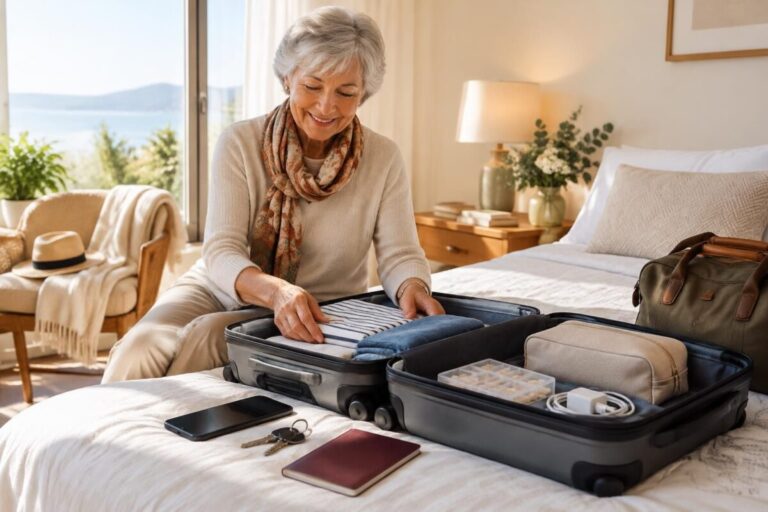
Take Madeleine, 72, for example. She keeps her passport in the hotel safe and a photocopy in her day bag. If her bag goes missing, she still has useful information without exposing her original document every time she goes out. This precaution doesn’t guarantee that her passport will be replaced immediately, but it can make the process easier.
Which documents should you copy before you leave?
Choose documents based on your itinerary and your health. A copy of your ID, bookings, insurance contact details, and any relevant prescriptions can be useful, especially if you need to explain a situation quickly.
- ID and travel tickets.
- Travel insurance certificate and assistance contact details.
- Prescriptions or relevant medical information, if necessary.
- Bookings and documents essential to your stay.
However, avoid carrying sensitive documents without a good reason. Every copy contains personal data: keep it out of sight and destroy it securely when you no longer need it.
Paper copy or digital backup: which should you choose?
The two options complement each other. A paper copy can be consulted without a phone or internet connection, while a digital backup can be quickly sent to someone you trust or an organization, provided access is secure.
| Option | Advantage | Useful precaution |
|---|---|---|
| Paper photocopy | Accessible without a battery or network | Keep it separate from the original |
| Digital copy | Easy to retrieve or share remotely | Use protected access and a secure device |
| Original document | Required for certain procedures | Keep it somewhere safe and take it out only if needed |
Don’t consider a photo saved in your phone’s gallery sufficient protection. Set a strong screen lock, choose a reliable storage location, and avoid sending sensitive documents through an unsecured channel.
A 3-step method for preparing your documents
- Choose: Make a list of the documents you’ll actually need for the trip and check the destination’s requirements.
- Make copies: Prepare legible photocopies and a protected digital backup. Don’t discard originals that are still legally required.
- Keep them separate: Put originals and copies in different places, then tell someone you trust how to reach you and where to find the useful information.
This organization prevents you from having to search for everything in an emergency. Before closing your suitcase, also check that the names, dates, and numbers on each copy are perfectly legible.
Mistakes to avoid when copying documents
The first mistake is keeping all the copies with the originals: if your bag is stolen, you lose both at once. Another pitfall is keeping sensitive scans without a password or leaving photocopies in a room after you check out.
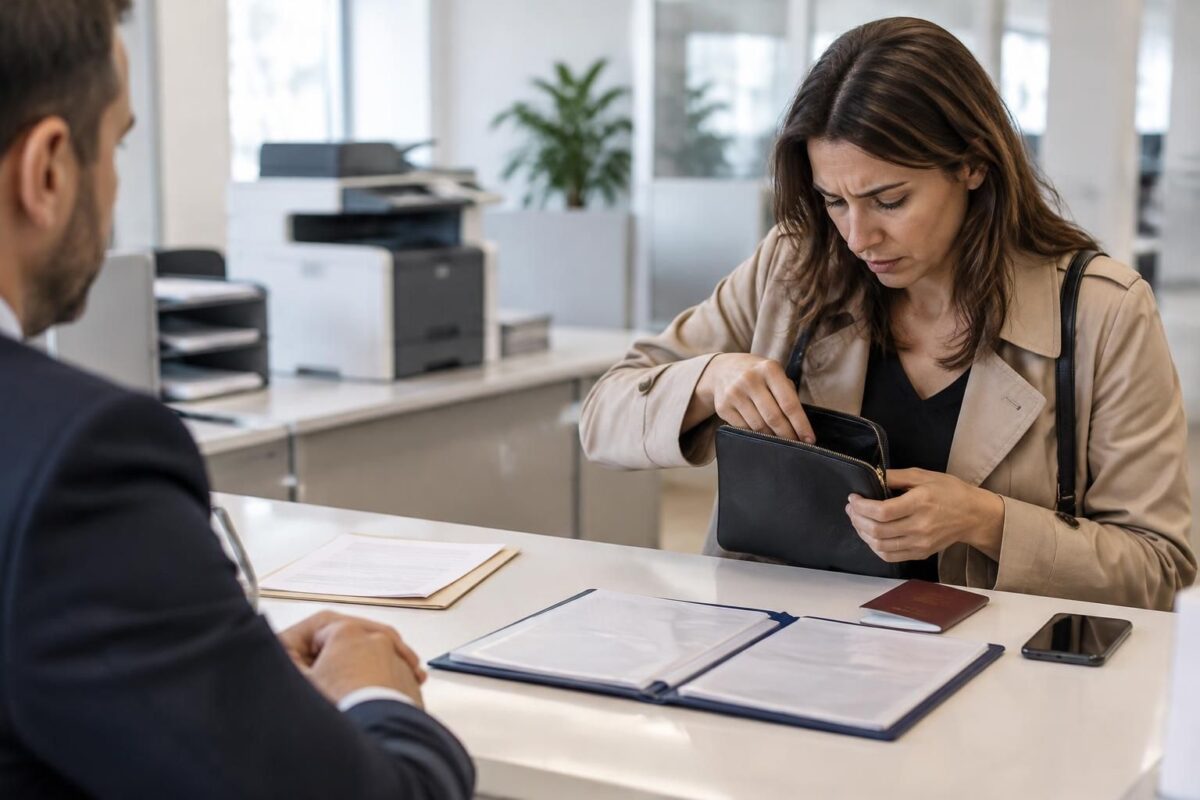
Finally, a copy doesn’t automatically give you the right to travel or replace an official ID. If your documents are lost, contact the relevant authorities and your insurer promptly, then follow their instructions for the administrative procedures.
Useful questions to ask before you leave
Can a photocopy replace an ID?
No. It can help you find the information on the document and make certain procedures easier, but it doesn’t automatically replace the original. Check the rules that apply at your destination.
Where should you keep copies of your documents while traveling?
Keep them separate from the originals: for example, a paper copy in another bag and a digital copy in a protected location. Avoid keeping all versions in the same place.
Should you send your scans by email?
Avoid sending sensitive documents through unsecured channels. Use a secure location, protect your account access, and share copies only with someone or an organization you trust when necessary.
What should you do if your originals are lost or stolen?
Report the loss promptly to the relevant authorities and contact your insurer or travel assistance provider. Copies can help you provide the necessary details, but follow official instructions to obtain a replacement document.
Thanks for reading! Feel free to share your thoughts in the comments. — Lucien