Senior security: a copy of your documents, a detail or a shield?
Hello, Lucien here.
A copy of your documents can help if they are lost, but it never replaces official documents and must be protected just as carefully.
When prepared properly, it can make certain tasks easier during a trip. If it is stored carelessly or sent without taking precautions, however, it can expose personal data and contribute to identity theft.
The right approach is therefore to bring a useful copy, without making multiple copies or leaving them accessible.
What to do right away
- Photocopy only the documents you need for your trip, such as your passport or ID card.
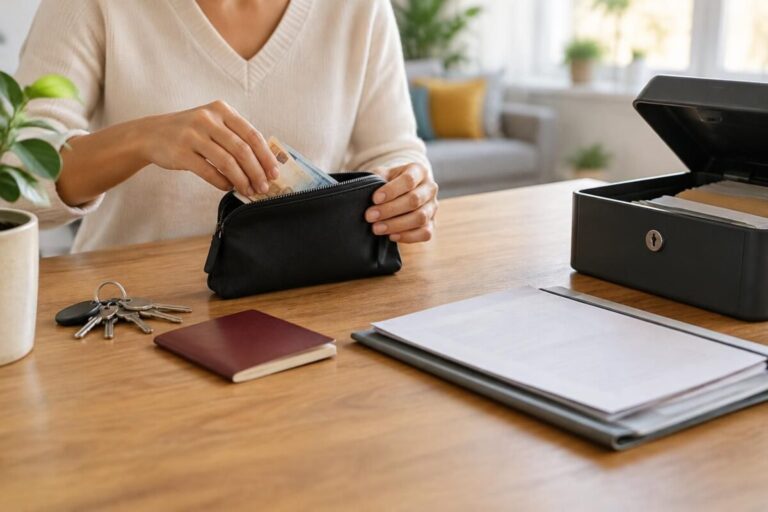
- Keep copies separate from the originals and store them somewhere other than your main luggage.
- Protect digital files with a strong password and avoid using public computers or networks to access them.
- Only send a copy to someone you trust, using a secure channel, if a procedure requires it.
- Check the rules at your destination: a copy generally cannot replace the original during an official inspection.
To compare your options, also read these tips on three ways to secure your documents and precautions against poorly stored documents while traveling.
Copies or originals: what is each one for?
A copy is a reference if a document goes missing. It can help you retrieve a passport number or explain the situation to a consulate, insurer, or assistance service. However, it does not automatically have the status of an official document.
Conversely, carrying only the originals avoids creating additional duplicates, but makes losing them more difficult to deal with. For seniors’ safety, the best approach is often to use both: keep the originals under close watch and prepare separate copies.
| Option | Benefit | Precaution |
|---|---|---|
| Original carried on you | Useful when an inspection requires the official document | Keep it in a secure, accessible pouch |
| Separate paper copy | Makes it easier to identify lost documents | Store it away from the originals |
| Protected digital copy | Can be accessed remotely if needed | Avoid shared devices and unsecured ways of sending it |
A copy is therefore a safety net for preparation, not a free pass: it helps you respond, but it does not eliminate the risk of loss or administrative fraud.
The risk of copies that are too easy to access
A photocopy of a passport or ID card contains sensitive information. If it is visible in an open bag, stored unprotected on a phone, or sent to a stranger, it can facilitate identity theft or enable an attempt at fraud.
Claire, 68, is preparing for a train trip. She keeps the original of her ID in an inside pocket and puts a copy in a separate compartment of her bag. She also keeps a digital version in a protected space, but does not send it in advance to anyone whose identity she cannot verify.
This caution is also part of scam prevention: an urgent request for a copy by email or messaging app should be checked with the organization concerned, using its official contact details. Protecting documents means taking care both with how they are stored and with keeping their transmission confidential.
Three steps to prepare your documents before you leave
- Sort through your documents. Identify the documents you need for your journey and destination. Avoid copying documents that are not needed for the trip.
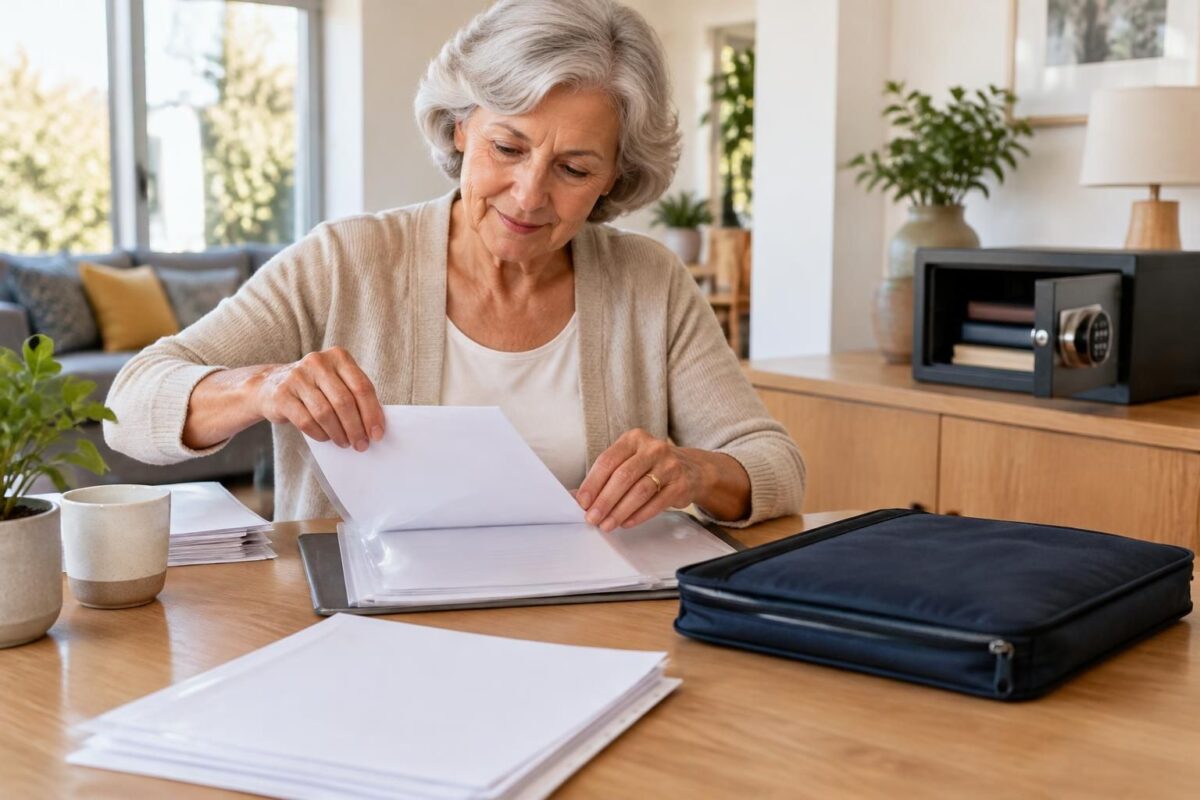
- Make two separate copies. Keep a paper copy separate from the originals and, if you wish, store a protected digital version. You can also let someone you trust know where to find the relevant information.
- Check how everything is stored before you leave. Make sure the originals are accessible for inspections, the copies are kept elsewhere, and the files are not exposed on a shared device.
If anything is lost, report the situation promptly to the relevant authorities and contact your insurance provider or assistance service if necessary. A copy can make communication easier, but legal protections and applicable procedures depend on the country and the document concerned.
Frequently asked questions about copies of travel documents
Is a photocopy of a passport enough to travel?
No. A photocopy can help you retrieve the document’s information, but it generally cannot replace the original passport during an inspection or when crossing a border.
Should I keep the copy in the same place as the original?
It is better to keep them separate. If the bag containing the original is lost or stolen, a copy stored elsewhere may still be available.
Is it safe to send your documents by email?
Only if it is necessary and you have verified the recipient. Use a secure channel and avoid sending sensitive documents in response to an unexpected request.
Is a digital copy essential?
No. It can be convenient, but it must be stored in a protected space. A separate paper copy is a simple option for travelers who prefer not to rely on their phone.
I hope you found these tips helpful. See you soon! — Lucien