Senior safety: an older person living alone—what are the real risks?
Hi, it’s Lucien. An older person living alone is especially at risk of falls, sudden illness, scams at home, and emergencies that go too long without help: combine prevention, regular check-ins, and a way to raise the alarm.
Things to do right away
- Check the peephole, door chain, and front-door lock.
- Arrange a daily call or message at a set time.
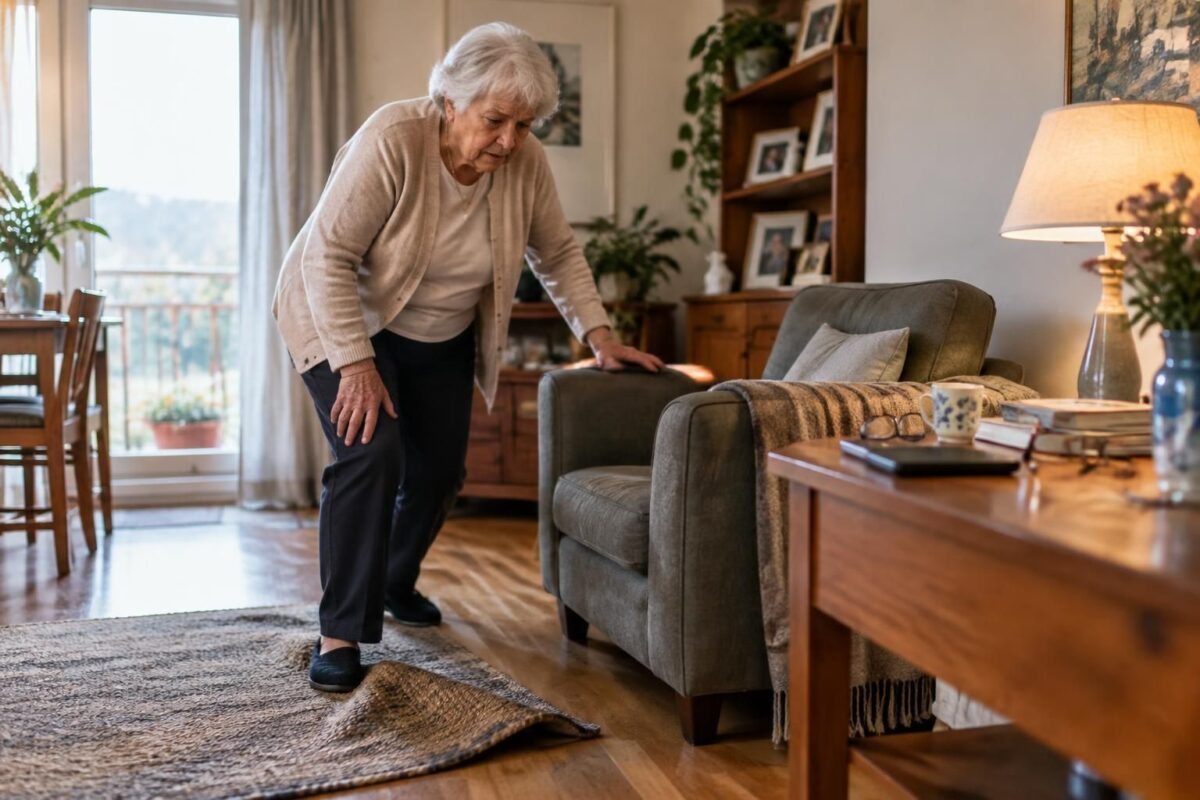
- Remove rugs that slip and improve the lighting, especially in the hallway and bathroom.
- Keep the numbers of family members, 15, and 17 near the phone.
- If the person wishes, try a telecare service with a button that is easy to wear and use.
Living alone does not mean being in constant danger. The risk increases mainly when a fall at home, a break-in, or a sudden illness occurs and no one is there to raise the alarm. Making the home safer and having an attentive support network reduces this vulnerability without turning the home into a medical facility.
Older person living alone: what are the real risks?
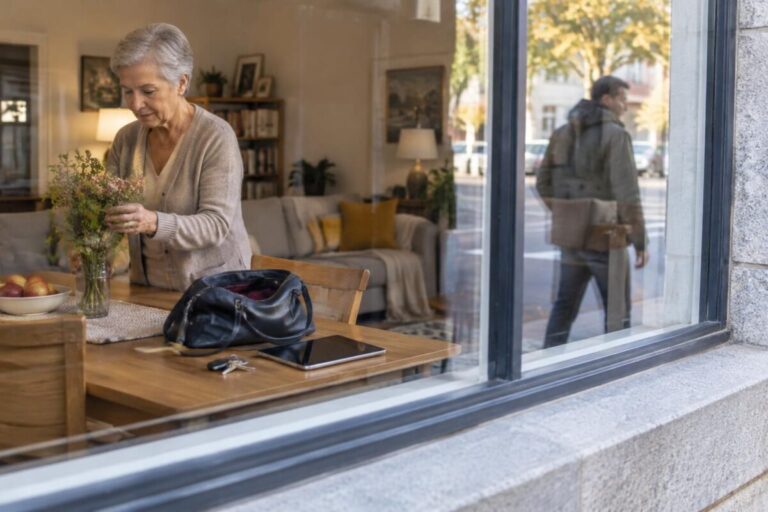
The risks are both domestic and related to malicious behavior. An older person may be targeted by fake tradespeople or fake officials, but they may also slip in the bathroom or feel unwell without being able to call for help.
Confidence scams often rely on pressure: a visitor announces an urgent leak or claims to have been sent by an organization. Some work in pairs, with one talking to the resident while the other explores the home. The best response is simple: don’t open the door until you have verified their identity using an official phone number.
| Risk | What could happen | Helpful response |
|---|---|---|
| Fall or accident at home | The person is left on the floor or struggles to reach someone. | Clear pathways, improve the lighting, and provide a way to raise the alarm. |
| Confidence scam | A stranger makes up an urgent job to get inside. | Keep the door closed and call the organization concerned yourself. |
| Aggressive sales tactics | A quote or deposit is demanded under pressure. | Don’t sign or pay anything at the door. |
| Social isolation | An emergency or decline in health goes unnoticed. | Arrange regular check-ins with a family member or trusted neighbor. |
A burglary while someone is home can also cause intense fear, even if no one is injured. And after a break-in, shame or confusion can delay reporting it: it’s worth reminding the person that they can ask for help without being judged.
Doorstep scams: warning signs to look out for
A technician who shows up without an appointment, insists on coming in, or refuses to show professional identification should be checked out. The claimed emergency—a leak, a faulty meter, an imminent service cutoff—is sometimes used to prevent people from thinking things through.
If the person says a colleague is waiting outside or tries to get you to go into another room, don’t follow them. Close the door, call a family member, or contact emergency services if you feel threatened. You can verify a genuine appointment with the organization using its official contact details.
Falls at home, sudden illness, and medical emergencies
Accidents at home become harder to deal with when no one can intervene quickly. A fall, sudden illness, or sudden pain may require emergency medical care; the problem is then not only the incident itself, but also the delay before anyone raises the alarm.
A telecare service can make it possible to call for help using a bracelet or pendant. It does not replace a neighbor, family member, or emergency services, but it provides a practical backup, especially if the phone is out of reach. Check regularly that the button works and the contact details are up to date.
Risk prevention: make the home safer without causing worry
Start with simple steps: secure rugs or remove them, light the way to the toilet, clear pathways, and install suitable grab bars if needed. A video doorbell, peephole, or door chain also helps identify a visitor without opening the door wide.
Choose equipment that is easy to understand and use. An alarm with a simple keypad or an alert button worn on the wrist may be more reassuring than a complex app. The best device is one the person accepts and actually uses.
A simple three-step plan
- Step 1: identify. Walk through the home with the person: check the door, lighting, rugs, bathroom, phone, and access to useful numbers.
- Step 2: agree. Choose a daily check-in together and agree on a rule for unexpected visitors: don’t open the door, verify their identity, then call the organization back using an official number.
- Step 3: test. Test the telecare button according to the provider’s instructions and check that the monitoring center has the correct contact numbers for family members.
If the person lives alone but is still managing well, regular calls and a few adjustments may be enough to support them in continuing to live at home. If falls happen repeatedly, appointments are forgotten, or meals and personal hygiene deteriorate, seek advice from a doctor, the CCAS, or social services: a loss of independence deserves an assessment, not a rushed decision.
People matter just as much as equipment
A trusted neighbor may notice a shutter that stays closed, mail piling up, or an unusual absence. With the person’s consent, exchange contact details and agree on what should trigger a call to family members.
Family members can also visit regularly and discreetly check the refrigerator, medications, and condition of the home. For this vigilance to be helpful, it must remain respectful: talking about risks without treating the person like a child is more helpful than imposing equipment or decisions.
- The CCAS can direct people to local support, visits, or check-in services.
- The local gendarmerie can provide information about the Opération Tranquillité Seniors.
- After an offense, France Victimes can be reached free of charge at 116 006 for support and assistance.
These habits are also useful when an older person goes away for a few days: letting someone know, minimizing visible signs of absence, and preparing for the trip can ease some concerns. To plan a trip, also see these tips on supervision for older people traveling alone and precautions for traveling safely outside Europe.
When should support for living at home be reassessed?
There is no specific age at which someone must leave their home. However, a recent fall, repeated bouts of illness, a neglected home, forgotten meals, or worsening social isolation are signs to take seriously.
If there is just one difficulty—for example, getting in and out of a bathtub has become difficult—a targeted modification and advice from a professional may help. If several problems are accumulating, especially at night or when family members are not around, support should be reassessed and a setting with more assistance considered.
Can an older person live alone safely?
Often, yes, if the home is adapted, check-ins are regular, and a way to raise the alarm is accessible. The situation should be reassessed if falls, forgetfulness, or everyday difficulties become more frequent.
What should you do if an unknown visitor insists on coming in?
Keep the door closed, ask them to identify themselves without letting them in, and call the organization concerned yourself using its official phone number. If there is an immediate threat, call 17.
Is telecare enough to prevent all risks?
No. It makes it easier to raise the alarm in the event of a fall or sudden illness, but it does not replace adapting the home, family members, or emergency services. The device should also be tested and contact details kept up to date.
Who should you contact if isolation or loss of independence gets worse?
A primary care doctor can assess the person’s needs. The local CCAS can then direct them to support services, check-in programs, and local options.
Thank you for caring about our seniors; Lucien