Senior safety: 4 checks before leaving the house
Hi, this is Lucien. Before leaving home, check the locks, water and electricity, then let a trusted neighbor know: these four simple steps reduce risks while you’re away. A short routine can also help you leave with greater peace of mind, without rushing or forgetting anything important. Senior safety is about protecting your home as much as it is about taking simple, appropriate precautions.
Do these things before you leave
- Secure all entry points: check the doors, windows, garage and secondary entrances.
- Check the utilities: inspect the water, gas and heating, taking into account how long you’ll be away and the season.
- Unplug nonessential electrical appliances, especially chargers and unused power strips.
- Let a trusted neighbor know: ask them to collect your mail and give them a way to contact you.
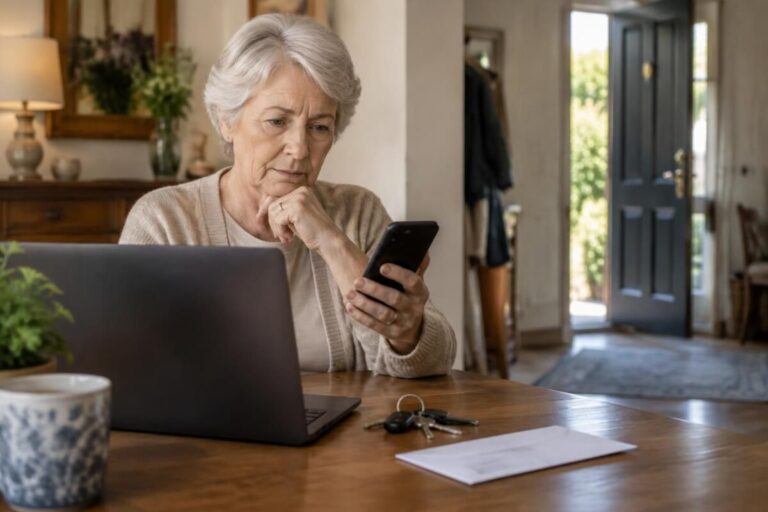
- Keep your cell phone close and put your keys somewhere easy to find.
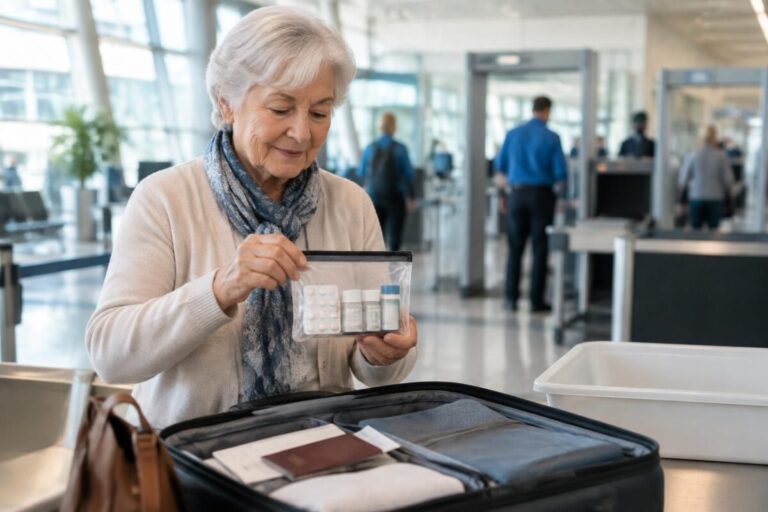
A checklist before you leave saves you from walking around the house several times. If you’re also planning a trip, these tips on traveling alone or with someone and information about the risks of an older person living alone can help you prepare.
Four checks to make before leaving home
A common pitfall is to focus on the lock and forget everyday details: a window left ajar, a dripping faucet or an appliance on standby. To avoid overlooking anything, always follow the same order, room by room.
1. Check that doors and windows are locked
Test all the doors, including the garage, basement and back door. Check all the windows, including less visible ones, such as those in a bathroom or basement.
Don’t leave a ladder or furniture near a window: these items could make it easier to get in. If you’ll be away for a long time, someone close to you can open or close the shutters from time to time and collect your mail.
2. Check the water, gas, heating and electrical appliances
A leak can go unnoticed for several days. If you’ll be away for several weeks, check the plumbing and consider turning off the main water supply, if that’s appropriate for your home and its appliances.
In cold weather, don’t automatically turn off the heating: a frost-protection setting can protect the pipes. Unplug nonessential electrical appliances, but leave the refrigerator and freezer running if they contain food. Also test the smoke detectors and replace their batteries if needed.
For the washing machine and dishwasher, you can turn off their water supply and leave the doors ajar after use. However, the right setting depends on your installation: if in doubt, ask a professional for advice.
3. Secure the outdoor areas and notify someone you trust
Put away or secure items that could be blown away by the wind. Check the gate, outdoor lighting, gutters and, if you have one, the pool safety cover.
A timer can switch on a lamp in the evening without leaving all the lights on continuously. Also avoid publicly announcing when you’ll be away: keeping a low profile online offers better privacy.
Agree on a simple task with your trusted neighbor, such as collecting your mail. Give them a number where they can reach you and, if necessary, the contact details of someone to call in case of a problem.
4. Review your home insurance policy
Not all policies provide the same coverage. Before being away for several weeks, check your coverage for theft, fire and water damage, as well as any rules relating to leaving your home unoccupied.
Some policies require preventive measures or limit certain coverage after a specified period of absence. Review your policy terms to find out what’s required regarding shutters, locks, water or outdoor equipment.
| What to check | Recommended action | Point to watch |
|---|---|---|
| Entry points | Lock doors, windows and outbuildings | Don’t forget secondary openings |
| Utilities | Check the water, heating and appliances | Adjust settings to the season |
| Outdoor areas | Put items away and check the lighting | Secure anything that could blow away |
| Insurance | Review the clauses about being away | Check the time limits and requirements |
A three-step routine for leaving with peace of mind
Following the same order helps prevent things from being forgotten and saves you from retracing your steps several times. It’s especially useful if you’re in a hurry or preparing to leave is tiring.
- Go through each room: check the windows, faucets, outlets and appliances, moving from the back of the home toward the exit.
- Check the outdoor areas and arrangements: secure the garden, adjust the heating if necessary and confirm the arrangements with your trusted neighbor.
- Lock up and keep your means of contact with you: lock the door, take your keys and cell phone, then review the essential items on your checklist.
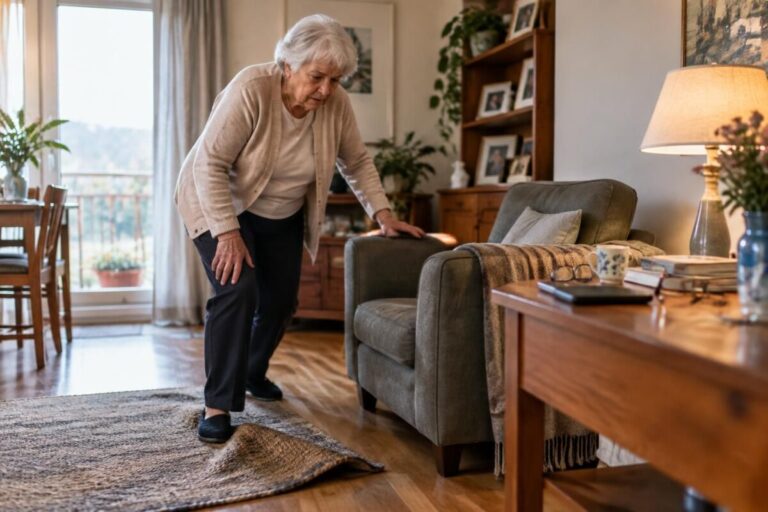
For seniors, taking time to prepare can also help prevent falls: keep walkways clear, don’t climb onto a chair to reach a shutter, and ask for help with tasks that require working at a height. The goal isn’t to do everything alone, but to leave home safely.
If a check seems difficult, put it off or ask someone to help rather than taking a risk. A few minutes of preparation are better than doing something dangerous in a rush.
Frequently asked questions before leaving home
Should you turn off the water before leaving for several weeks?
If you’ll be away for an extended period, turning off the main water supply can limit damage caused by a leak. First, check the needs of your appliances and the instructions that apply to your home.
Can you turn the heating off completely in winter?
This is not always recommended. A frost-protection setting can help protect the pipes; adjust the setting to the season and your home, and follow the manufacturer’s recommendations.
How can you make it look as though someone is home?
Timed lighting, having the shutters opened and closed from time to time, and asking someone close to you to collect your mail can make your absence less obvious. Avoid posting your departure dates.
What should you check in your home insurance before a long absence?
Check the coverage, exclusions, deductible and unoccupancy clauses. Requirements vary by policy: consult your insurer’s documents.
Thanks for reading! Feel free to share your thoughts in the comments. — Lucien