Senior safety: Can you still travel with peace of mind at 80?
Hello, it’s Lucien.
Yes, traveling at 80 can still be a relaxing experience if your health, pace, and assistance needs are taken into account before you leave.
Age alone does not determine whether you can travel. The right trip is one that suits how you’re feeling at the time and includes simple solutions in case something unexpected happens.
Good habits to adopt before traveling at 80
- Ask for medical advice before you leave, especially if you take regular medication or have a chronic condition.
- Check that your senior travel insurance covers medical care, repatriation, and your medical situation.
- Choose transport and accommodation suited to your mobility and need for rest.
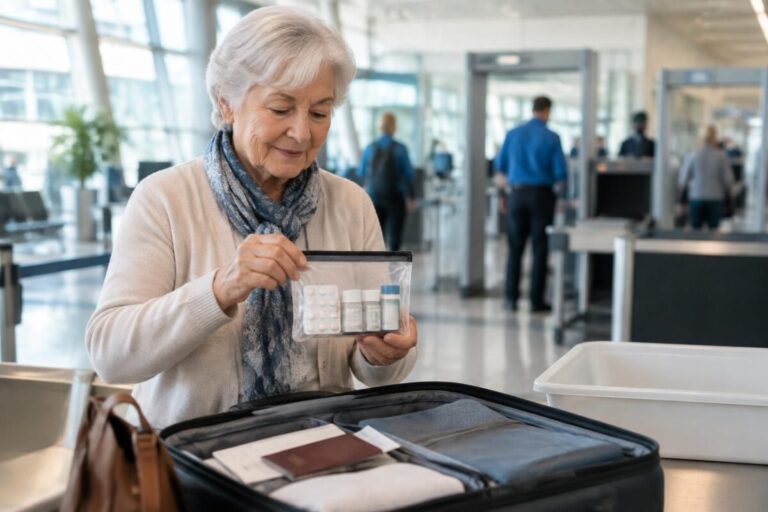
- Keep your medication, prescriptions, and essential documents in your carry-on baggage.
- Share your itinerary and accommodation contact details with someone you trust.
Senior safety is mainly about making realistic choices, not giving up on your plans. To prepare for a solo trip or assess which coverage you need, you can also read these tips on solo travel for seniors and this overview of suitable travel insurance.
The main pitfall: choosing a trip that’s too demanding
A packed schedule, tight connections, or accommodation that’s difficult to access can turn a getaway into an ordeal. Fatigue also increases the risk of falling and makes it harder to manage a health problem while traveling.
Imagine Camille, 80, who dreams of discovering a big foreign city. Staying several nights in the same place, with short outings and planned breaks, gives her more freedom than a tour that changes hotels every day.
A trip suited to seniors is built around comfort
Before booking, check whether there’s an elevator, whether the bathroom is easy to access, and how far the accommodation is from transport and medical services. An accessible room can be useful even if you don’t use a wheelchair: it reduces obstacles and makes everyday tasks easier.
For a long journey, choose a straightforward route if possible, with plenty of time between connections. If you’re flying, ask the airline about assistance at the airport; moving around regularly and drinking water can also make the journey easier, following your doctor’s advice.
| What to check | Why it’s useful | What to plan for |
|---|---|---|
| Health while traveling | Medication or a health issue may require special arrangements. | Medical advice, prescriptions, and enough medication. |
| Senior travel insurance | Coverage and exclusions vary depending on the policy and medical circumstances. | Check medical expenses, medical assistance, and repatriation. |
| Mobility for older adults | Stairs, long walks, and quick transfers can be tiring. | Accessible accommodation, breaks, and transport assistance if needed. |
| Risk prevention | Heat, traveling at night, or valuables left exposed can make a trip more difficult. | A reasonable itinerary, hydration, and separate payment methods. |
Prepare for health and safety without giving up your independence
A medical appointment before you leave gives you a chance to discuss the climate, any necessary vaccinations, medication, and precautions specific to your destination. Transport or import rules for some medications differ from one country to another, so it’s best to check before you leave rather than discover a problem at the border.
Keep your medication in its original packaging and carry your prescriptions with you. A paper copy and a digital version of important documents can also make things easier if your luggage is lost.
Simple ways to stay in touch
A charged phone, a portable battery, and maps downloaded for offline use make getting around easier. If you’re traveling alone, arranging regular check-ins with someone close to you can reassure everyone without requiring you to be in touch constantly.
When it comes to payments, avoid keeping all your cash and cards in one place. Prefer ATMs located inside a bank or in a busy area, and never hand over your documents or money to someone who approaches you claiming to be an official.
Three steps to organizing a relaxing trip at 80
- Take stock of your needs. With your doctor, assess any considerations related to your health, medication, and journey length.
- Choose a realistic trip. Compare accessibility, transport, rest times, and the assistance available at your destination.
- Plan backup options. Confirm your insurance coverage, gather the necessary documents, and share your itinerary with someone close to you.
This preparation won’t prevent every unexpected event, but it can stop a foreseeable detail from taking over. The best travel tips for seniors are often the most practical: take things at a slower pace, ask for help in advance, and choose a trip that leaves room for rest.
Frequently asked questions about senior travel safety
Can you travel alone at 80?
Yes, if the trip suits how you’re feeling and your essential needs are anticipated. Choose a straightforward itinerary, share your contact details with someone close to you, and check what assistance is available.
Should you see a doctor before leaving?
It’s recommended if you have a chronic condition, take regular medication, or are traveling to a distant destination. Your doctor can check your medication, health precautions, and needs related to the journey.
What should senior travel insurance cover?
In particular, check coverage for medical expenses abroad, medical assistance, repatriation, and exclusions related to pre-existing conditions. Terms vary between policies.
How can you limit fatigue during your trip?
Plan light days, frequent breaks, and a fixed place to stay whenever possible. A flexible pace helps you enjoy sightseeing without becoming exhausted.
Thanks for reading! Feel free to share your thoughts in the comments. — Lucien