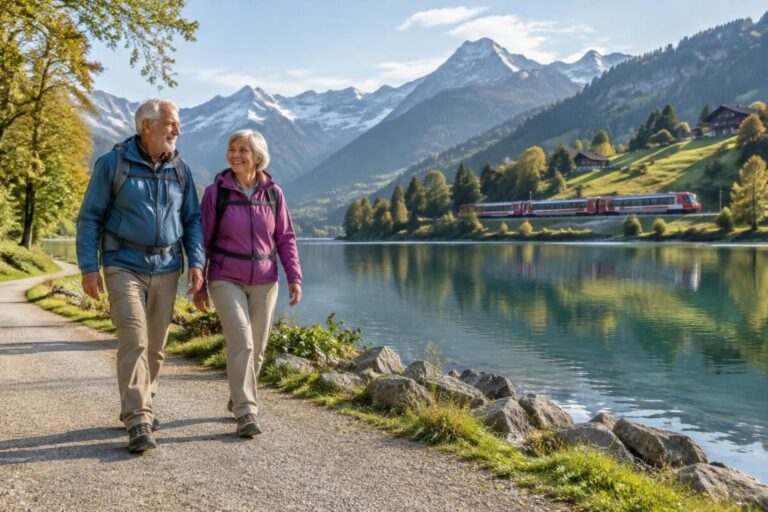
Senior destinations: an easily accessible destination—a real advantage?
Hello, this is Lucien. An easily accessible destination is a real advantage if it reduces the effort involved in getting there and makes it easier to get around once you arrive. But accessibility is about more than simply avoiding stairs: the pace, available medical care and accommodation comfort matter just as much. A few checks before you leave can make the difference between a relaxing stay and an exhausting schedule.
Things to do now
- Check the routes between the train station or airport, your accommodation and the places you plan to visit.
- Ask for details about accessibility: elevators, steps, restrooms and distances to cover.
- Choose a flexible itinerary, with breaks and less busy days.
- Find nearby medical services and check what your travel insurance covers.
- Prepare for a comfortable trip: medication, useful documents, suitable clothing and water within easy reach.
A destination may look ideal in a brochure, then turn out to be tiring because of cobblestones, hills or a hotel far from public transport. To compare the seaside with a flatter city, also see these criteria for choosing between the seaside and a city; if being close to medical care puts your mind at ease, here are some pointers on choosing between peace and quiet and medical services.
An easily accessible destination: an advantage that depends on the trip
Accessible tourism makes it possible to enjoy new experiences without turning every journey into a challenge. For someone with reduced mobility, an itinerary without excessive walking can matter more than a long list of attractions.
Imagine Monique, who prefers guided tours in the morning and free afternoons. A city with convenient public transport and centrally located accommodation may give her more freedom than a well-known destination that is spread out and hilly.
Destinations for seniors to compare based on your needs
Mediterranean coastlines, some European cities and cruises can all suit a senior trip, provided you check the services on offer. A suitable stay balances sightseeing, rest and realistic travel distances.
| Option | Potential advantage | What to check |
|---|---|---|
| Mediterranean city | Culture, cuisine and urban services | Hills, cobblestones and distances between attractions |
| Cruise | Stable accommodation and several ports of call | Access to the docks and the pace of excursions |
| Island or natural region | Peaceful surroundings and opportunities for outdoor breaks | Local transport and access to medical care |
| Small-group tour | Assisted logistics and opportunities to meet others | Group size and duration of each leg |
The Azores, Andalusia or Montenegro may inspire a vacation for seniors, but accessibility varies greatly from one site to another. So it is important to look at the specific itinerary rather than relying on the destination’s name alone.
The real advantage of an accessible destination: fewer surprises
An accessible destination mainly offers predictability. When transport, breaks and accommodation are suited to your needs, you have more energy left for sightseeing and time spent together.
A common mistake is to assume that mild weather means a fatigue-free trip. Heat, jet lag or overly long excursions can take their toll even in pleasant surroundings; it is better to allow time to adjust and keep the first few days light.
Three steps to a more relaxed trip for seniors
- Set your priorities. Write down what matters most: limiting walking, staying close to medical care, traveling in a group or having free time.
- Check the details with service providers. Ask about distances, stairs, transfers and opportunities to rest. A small-group tour can simplify the logistics, but that does not guarantee that every activity will suit everyone.
- Leave some flexibility in your schedule. Plan breaks, stay hydrated and skip a visit if you start to feel tired. Flexibility is part of comfort.
For someone traveling alone, a small group can also provide reassuring company without taking away their independence. So the advantage of an accessible destination is not measured only by its facilities: it is reflected in the freedom to choose your own pace and enjoy your stay without pressure.
Frequently asked questions about accessible destinations for seniors
How can you tell if a destination is truly accessible?
Check the day-to-day journeys: transfers, public transport, steps, elevators, restrooms and the distance between your accommodation and activities. Ask service providers for specific information.
Is an organized trip a better fit for seniors?
It can make planning easier and simplify getting around, especially in a small group. However, compare the pace, length of each leg and free time before booking.
Should you consult a doctor before leaving?
Medical advice can help you review your health, medications and destination-specific precautions, especially if the trip is long or involves a time difference.
What kind of accommodation should you choose if you have reduced mobility?
Choose a property with facilities that meet your actual needs. Confirm directly whether it has an elevator, whether the room is accessible and how the bathroom is laid out.
Thanks for reading! Feel free to share your thoughts in the comments. — Lucien