Senior mobility: traveling light, why does it make all the difference?
Hello, this is Lucien. Light luggage reduces fatigue, makes getting around easier, and helps you maintain your balance while travelling as an older adult. When every connection, walk, or platform requires effort, the weight of your suitcase can quickly affect your comfort on the move. Travelling lighter means keeping more energy to enjoy your stay and remain independent.
Things to do now
- Choose an easy-to-handle suitcase, with smooth-rolling wheels and an adjustable handle.
- Limit what you pack to clothes and items that are genuinely useful for the length of your stay.
- Distribute the weight between a small suitcase and a light bag, without overloading your shoulders.
- Keep essentials within easy reach: medication, documents, and phone.
- Check the stages of your journey to identify stairs, connections, and assistance options.
Luggage that is too heavy can make it harder to get through a station, stow your bag on a train, or board a shuttle. To round out your preparations, also read these tips on avoiding mistakes before a trip as an older adult and these simple steps for travelling with peace of mind.
Why light luggage makes a difference to older travellers’ mobility
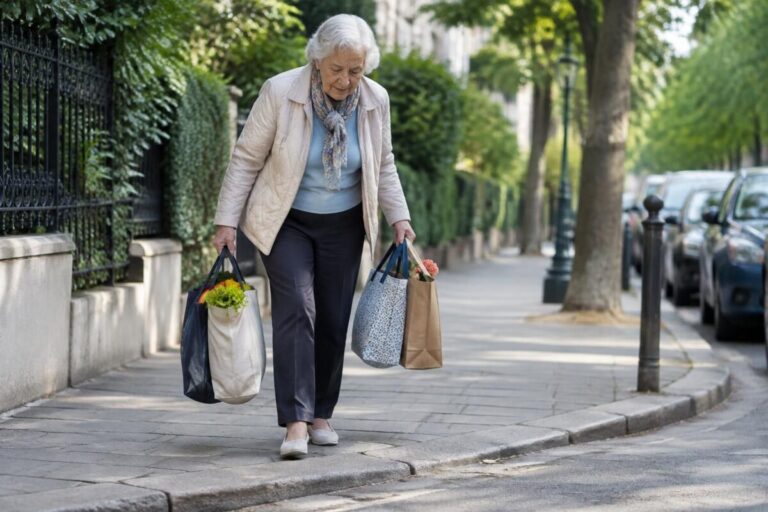
Carrying or pulling a bulky load puts more strain on your arms, back, and legs. In a crowded corridor or on a platform, it can also restrict your movements and make it harder to keep your balance.
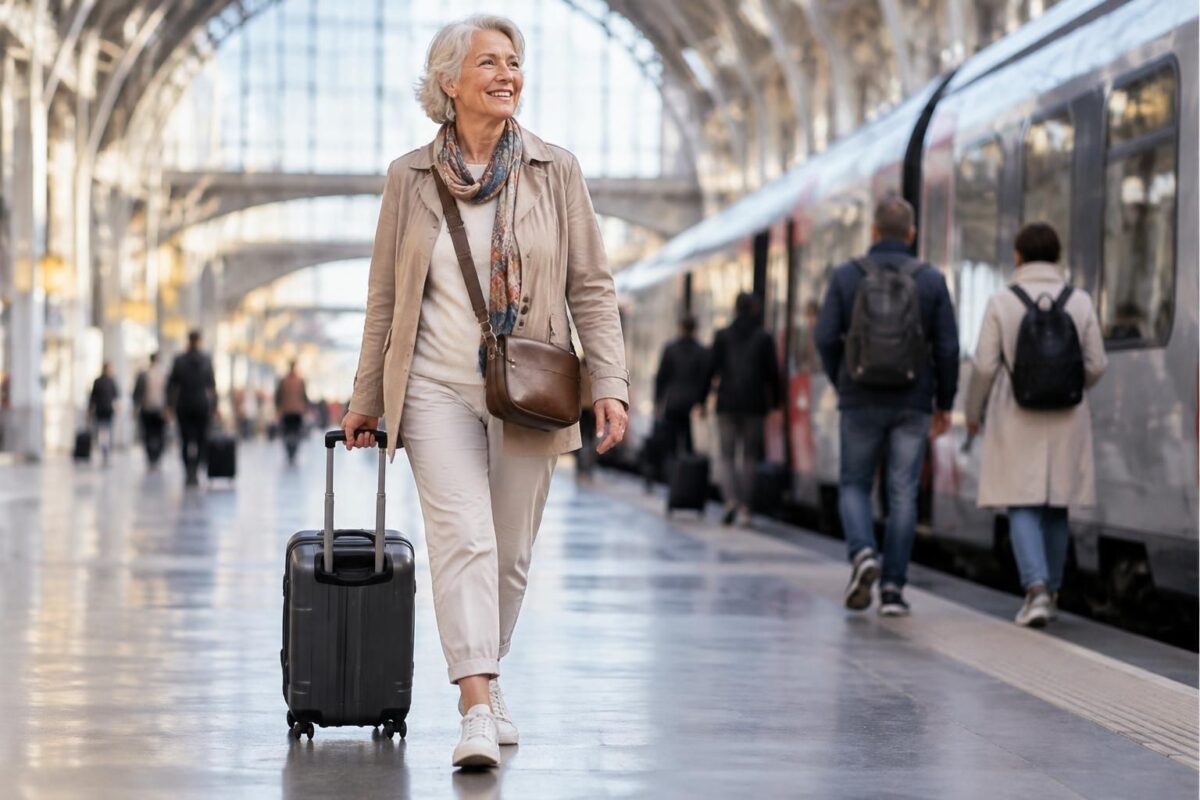
With a lightweight, easy-rolling cabin suitcase, moving around becomes simpler: going through a doorway, getting into a vehicle, or keeping one hand free for a handrail. So the benefits go beyond comfort; they also support independence and safety while travelling.
The right suitcase can make travel much more accessible
Your choice of luggage should suit your abilities and planned journey. A wheeled suitcase can be practical on smooth surfaces, but less convenient on cobblestones or stairs; a lightweight backpack keeps your hands free, as long as its weight remains comfortable.
Before you leave, also check what facilities are available along the way: elevators, ramps, station assistance, or on-demand transport. Options often vary locally; your local CCAS (social services center) or municipal transport service can point you towards suitable solutions.
| Type of bag | Main advantage | What to check |
|---|---|---|
| Wheeled cabin suitcase | Avoids carrying the load over a long distance | Empty weight, wheel quality, and ease of handling |
| Compact backpack | Keeps your hands free for support | Strap adjustment and total weight |
| Shoulder bag | Lets you reach essentials quickly | Don’t fill it so much that it throws off your posture |
Getting ready for your trip: pack less, plan better
A common mistake is adding things “just in case” until your bag becomes difficult to move. To avoid this trap, plan one outfit for each day, then add an option suited to the weather and a little extra for unexpected situations.
For example, for a four-day stay, a few easy-to-coordinate clothes and one comfortable pair of shoes may be enough. If an item is available at your destination or can be shared with someone close to you, there may be no need to bring it along.
Choose luggage that suits your journey
The same type of luggage won’t necessarily work for every itinerary. For a direct journey with elevator access, a small wheeled suitcase may be ideal; with several connections or cobbled streets, a more compact and lightweight bag may sometimes be easier to manage.
Mobility services also vary from one area to another. Local shuttles and on-demand transport can help avoid long walks; check with local operators rather than assuming the service is available everywhere. Digital tools can help you check schedules, but calling the service directly is a simple option if you find the apps hard to navigate.
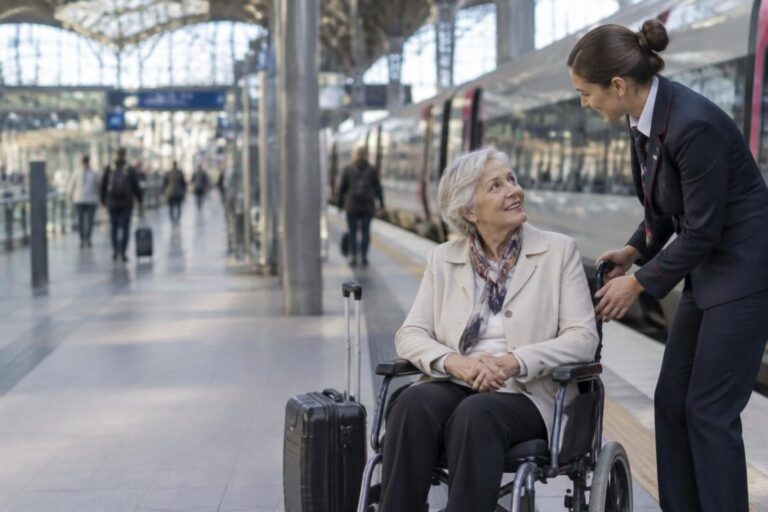
Older travellers’ mobility rarely depends on just one piece of equipment. An accessible route, human assistance if needed, and carefully chosen luggage all work together to make getting around easier and less stressful.
Three steps to travelling with a lighter suitcase
- Make a short list. Note the essentials based on the weather, length of your stay, and planned activities; then remove duplicates.
- Test your luggage before you leave. Roll it a few metres and check that you can move it without pain or excessive effort. If needed, remove some items or ask for help.
- Plan the stages of your journey. Put essentials in an easy-to-reach pocket, locate the elevators, and confirm what assistance or transport services are available.
These simple steps help protect your wellbeing while travelling without turning preparation into a burden. Travelling light doesn’t mean going without; it means choosing what will genuinely make each stage easier.
What luggage should I choose for a trip as an older adult?
Choose a lightweight, easy-to-handle bag that suits your itinerary. A wheeled cabin suitcase may work well on smooth surfaces; a compact bag may be more practical if your journey includes stairs or cobbled streets.
How can I avoid overpacking my suitcase?
Make a list based on the length of your stay, the weather, and your planned activities. Choose clothes that are easy to coordinate, and leave out items available at your destination or that you probably won’t use.
What should I do if moving my luggage becomes difficult?
Reduce its weight, choose an accessible route, and ask in advance whether assistance is available at the station or from your carrier. The CCAS or local mobility service may also be able to suggest nearby solutions.
Is a cabin suitcase always the best choice?
No. It’s practical for keeping weight down and your belongings close at hand, but the ideal size depends on the length of your stay, your personal needs, and the conditions of your journey.
Thanks for reading! Feel free to share your thoughts in the comments. — Lucien