Senior mobility: long airport walks, why every kilo counts
Hello, it’s Lucien.
For a long walk through the airport, lightening your luggage and asking for help whenever you need it can reduce fatigue and make getting around safer.
In a large terminal, a few extra kilos can feel much heavier after several corridors, standing in line, or changing gates. Packing light is therefore no small detail: it’s a practical way to save your energy for the journey.
Things to do right away
- Weigh your suitcase before you leave and remove anything you don’t really need.
- Keep your essentials within easy reach: medication, documents, glasses, and an empty water bottle to fill after security.
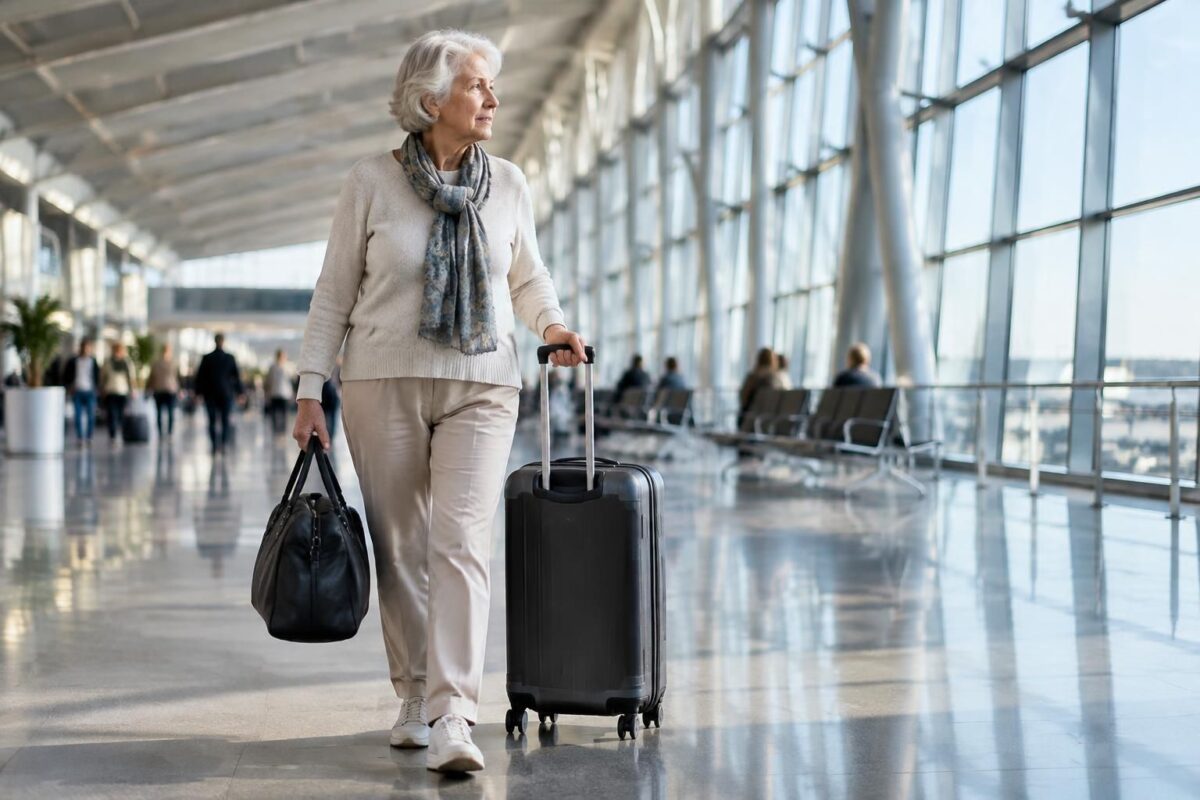
- Choose luggage that’s easy to maneuver, with sturdy wheels and an adjustable handle.
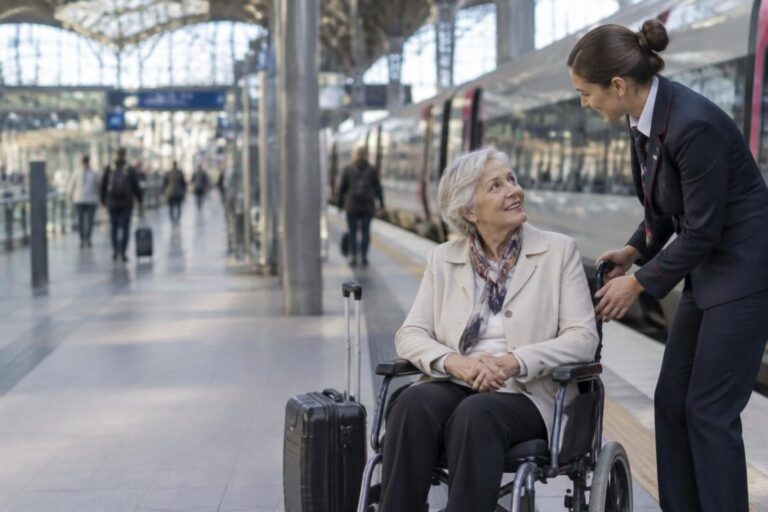
- Request assistance at the airport if walking or standing for long periods may be difficult.
- Allow extra time so you can move at an unhurried pace and take breaks.
To better understand the benefits of traveling with less, read these tips on light luggage for older travelers and the risks associated with walking through the airport with an excessive load. These guidelines can help you decide what really needs to stay in your suitcase.
Long walks at the airport: why luggage weight is tiring
You feel the weight at every stage: carrying a suitcase in a line, lifting it onto a conveyor belt, or pulling it over a long distance puts strain on your arms, back, and shoulders. As fatigue sets in for older adults, concentration can also decline, making changes of direction and getting around less comfortable.
Wheeled luggage doesn’t eliminate the effort. You still have to pull it, keep it steady on ramps, and lift it in some situations. Every kilo you remove reduces repeated effort and helps conserve precious energy.
A practical example of walking through an airport
Imagine Jeanne, 72, who needs to reach a gate at the other end of the terminal. With a 14 kg suitcase and a bag over her shoulder, she often has to stop to adjust her load; with a lighter suitcase and a well-organized small bag, she can move more easily and keep her hands free.
This makes getting around more comfortable, especially when the route includes stairs, lines, or a transfer between terminals. Planning for senior mobility also means thinking about the walk, not just the flight.
| Option | Likely effort | Best suited when |
|---|---|---|
| Very heavily loaded suitcase | Significant over a long distance | Rarely necessary for a short trip |
| Lightened wheeled luggage | More moderate, but still required around obstacles | The walk is long and the terminal is large |
| Mobility assistance | Less walking, depending on the service provided | Fatigue, balance issues, or pain make it necessary |
Plan an accessible trip in three steps
An accessible trip doesn’t depend only on how much you pack. Organizing your departure and making use of available services matter just as much.
1. Sort through your things before closing your suitcase
Put each item on a table and ask yourself whether you’ll really use it. Keep your medication and essential documents in a small, accessible bag, then remove duplicates and items you can buy at your destination.
2. Check your route and ask for help
Check the distances between check-in, security, and your departure gate. If the walk seems too demanding, contact the airline or airport in advance to find out about mobility assistance options and how to book them.
3. Keep a comfortable pace on departure day
Arrive with a reasonable amount of extra time, take a break when you need one, and avoid carrying several bags at once. The best pace is one that lets you reach the gate without wearing yourself out.
Ways to conserve your energy until boarding
- Pack heavy items at the bottom of your suitcase instead of in a bag carried on one shoulder.
- Keep one hand free to steady yourself or show your documents.
- Ask for help lifting your luggage if doing so causes pain or affects your balance.
- Choose sturdy shoes and clothing suited to the temperature in the terminal.
Packing lighter doesn’t mean giving up comfort; it means choosing what really helps make it possible. On a long journey, a few kilos less can make the difference between struggling through the walk and getting through it calmly.
What weight should I aim for with carry-on luggage?
There is no ideal weight that works for everyone. Check your airline’s limits and choose a load you can move without pain or losing your balance.
Are wheels enough to prevent fatigue?
They reduce the need to carry your luggage, but don’t eliminate the effort of pulling, steadying, or lifting it. A lightweight, easy-to-maneuver model is still preferable.
How do I request assistance at the airport?
Contact your airline or travel agency before departure to find out about lead times and arrangements. Explain what help you need with walking, transfers, or waiting in line.
What should I keep in a small, accessible bag?
Put your documents, any medication you’ll need during the journey, your glasses, and items that may be useful while waiting in it. Avoid overloading it so you don’t have to carry unnecessary weight.
I hope you found these tips helpful. See you soon! — Lucien