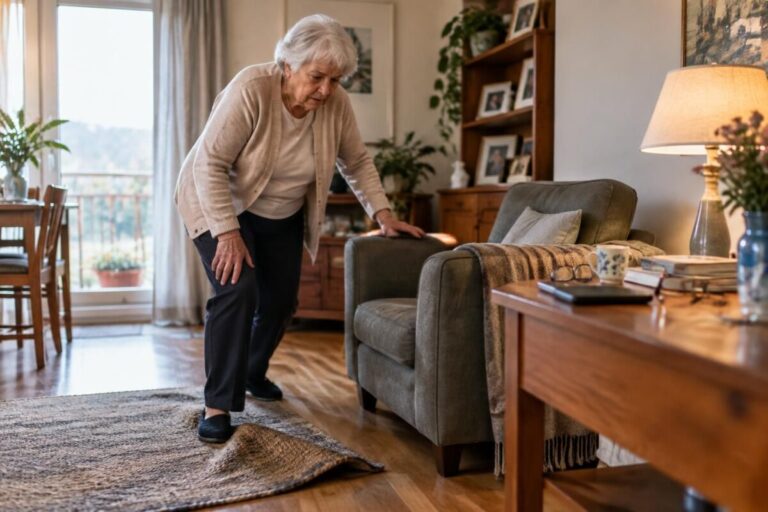
Senior security: visible valuables, the mistake that attracts
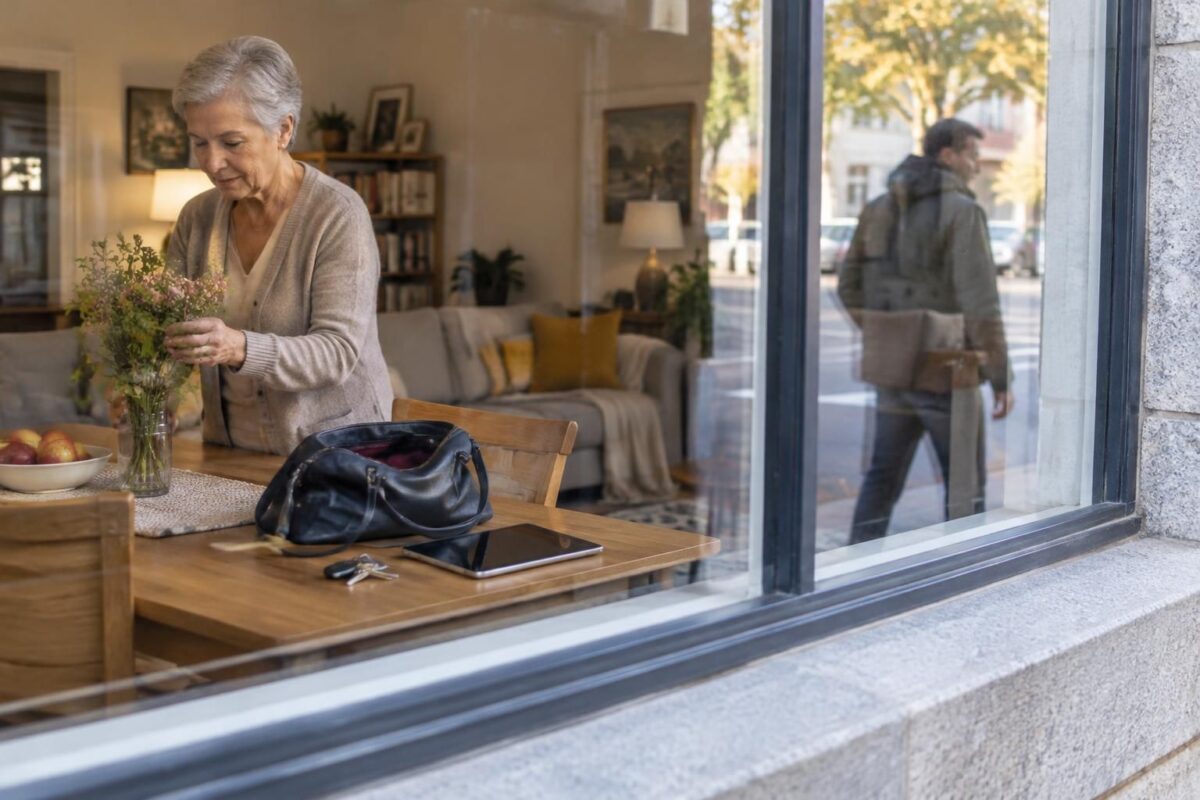
Hi, it’s Lucien. To reduce risks, keep valuables out of sight, secure entry points, and avoid announcing when you’ll be away. A bag left near the door, jewelry on a dresser, or a screen visible from the street can give away unnecessary clues. This precaution helps protect seniors without turning the home into a fortress. And if an incident occurs, the person targeted is never to blame.
What to do right now
- Put away valuables that are visible from windows, the balcony, or the front door.
- Keep keys, papers, and payment methods in a familiar place, out of sight of casual visitors.
- Before going out, check the door, windows, and secondary entrances, even if you’ll only be away briefly.
- Ask someone you trust to collect your mail if you’re going away for several days.
- Don’t post your departure dates or address on social media.
Keeping a low profile is a simple way to protect your belongings: it reduces the information available to someone looking for an easy opportunity. It can’t prevent every burglary, but it avoids needlessly exposing things that may attract attention.
Why visible belongings attract attention
A bag near the entrance, jewelry left in a room facing the street, or packaging from an expensive device left outside the home can signal that there are appealing items inside. In some cases, an opportunistic theft happens because access seems easy and an item is simple to take.
The aim isn’t to live in fear or hide every everyday item. It’s about reducing visible signs and making routines less predictable. Burglary prevention often starts with these ordinary steps, along with properly locking the door and letting a neighbor know when you’ll be away.
Small clues to check at home
Walk around the outside of your home, if you can do so safely. Look at what can be seen from the street, hallway, or garden: a screen switched on near a window, keys left in a lock, or mail piling up.
One common oversight is forgetting to close the kitchen window, left ajar for ventilation before leaving. If it can be reached from a balcony or ledge, it’s better to close it and air out the room at another time.
Home security: good habits before going away
A home often seems more vulnerable when it looks empty. Even so, there’s no need to announce your departure to the whole neighborhood: a few simple instructions for someone reliable are usually enough. Security devices should be easy to use, especially if mobility or memory is sometimes a challenge.
| Situation | Helpful step | Why |
|---|---|---|
| Going out for a few hours | Lock doors and windows, put away small valuables | Reduce opportunities and visible clues |
| Away for several days | Arrange for someone to collect your mail and let a trusted neighbor know | Avoid signs that the home is unoccupied |
| An unfamiliar visitor | Don’t let them in without checking their identity | Avoid fake repair workers and high-pressure solicitations |
If you’re going out for a few hours, focus on entry points and items visible from outside. If you’ll be away for several days, arrange for your mail to be collected and for someone close to you to check in, without posting your plans.
You can also plan for your safety before a trip away from home. To think about the right support, see these tips on traveling alone or with someone and on the value of comprehensive insurance.
A three-step routine before closing the door
- Step 1: Put away valuables, personal documents, and spare keys. Avoid placing them in obvious hiding spots, such as a drawer near the entrance.
- Step 2: Close the windows and check every entry point. If a device is complicated to operate, ask someone close to you to try it with you rather than waiting until the day you leave.
- Step 3: Let someone you trust know if you’ll be away for a while. Agree on a simple way to get in touch, and avoid sharing information with people you don’t know well.
Be alert to calls and visits, too. Anyone who urgently asks for money, banking codes, or access to your home should raise concerns: preventing scams means refusing to make decisions under pressure and checking with someone close to you or the organization involved.
Protecting belongings without limiting independence
Protecting older adults involves more than locks. Isolation, reduced mobility, or difficulty keeping up with paperwork can make it harder to recognize an unusual situation. Suddenly unpaid bills, unusual withdrawals, or a marked change in behavior deserve calm and respectful attention.
Talking with the person without rushing them often helps clarify what’s going on. If important decisions become difficult to manage, a legal professional or local information service can explain possible support options, while preserving the person’s choices and routines as much as possible.
Personal emergency response services, regular visits, or home care can also improve safety at home. The right option is one that meets a real need and that the person agrees to use; an alert button left forgotten in a drawer protects no one.
The rule is simple: keep belongings less visible, maintain reliable locking habits, and stay connected with people you trust. These steps help protect seniors without making them responsible for the actions of a burglar or scammer.
Practical questions about visible belongings and senior safety
Do you need to hide all valuables at home?
No. Focus on putting away items that are easy to take and visible from outside or the entrance. Choose a safe, familiar place that you can access, and don’t leave valuables in plain sight.
What should you do before going away for several days?
Secure entry points, put away visible belongings, ask someone you trust to collect your mail, and avoid posting your dates of absence.
How should you respond to a visit that seems suspicious?
Don’t open the door all the way or let the person in before checking their identity. If you’re pressured or threatened, contact someone close to you and the appropriate authorities.
Do visible belongings make a senior responsible for a burglary?
No. The person who commits the theft is responsible. Putting away visible belongings is a useful precaution, but it is never a guarantee or an obligation to live in fear.
Thank you for caring about our seniors; Lucien