Practical Tips: 10 Ways to Avoid the Unexpected
Hello, Lucien here.
To avoid most unexpected problems while traveling, prepare your documents, medications, budget, and backup plans before you leave.
Good organization won’t eliminate every setback, but it can help you deal with them without rushing. A few simple checks can make a real difference, especially when traveling with specific health or mobility needs.
Good habits to adopt before a trip
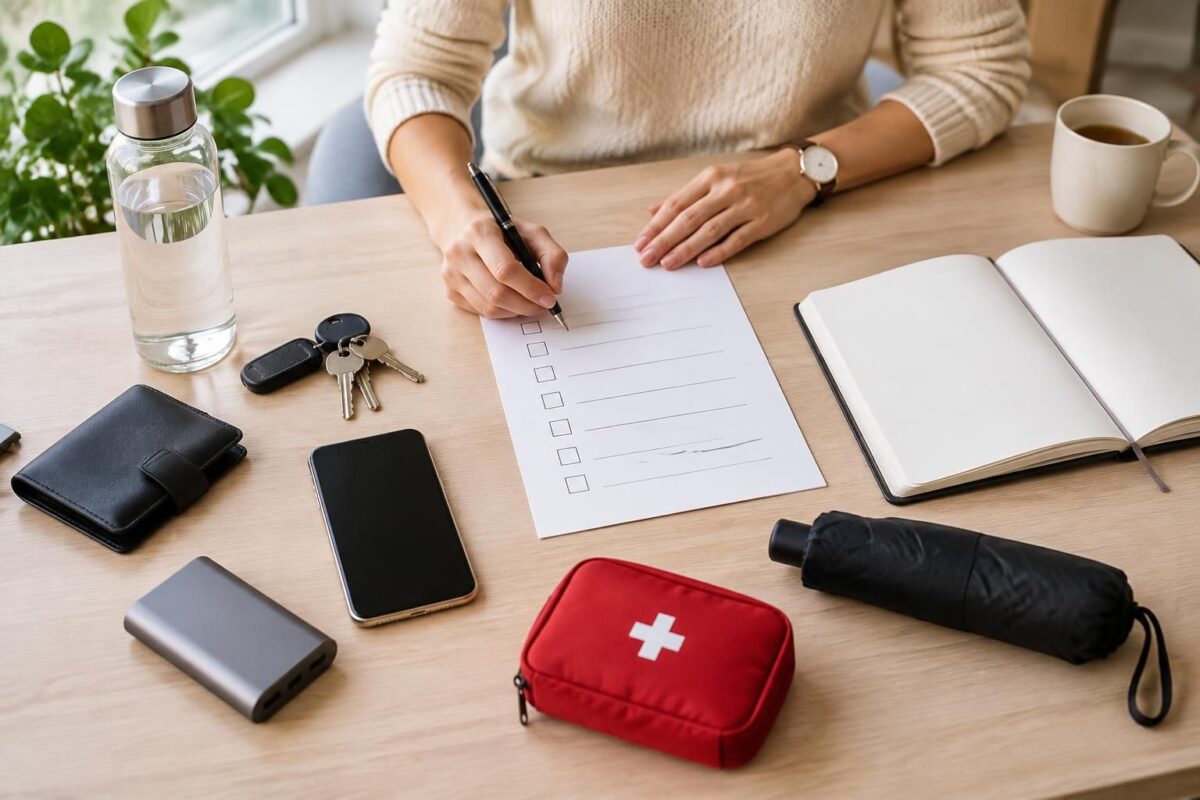
- Check reservation dates, times, and cancellation policies.
- Keep paper and digital copies of your important documents.
- Prepare a list of your medications, along with any relevant prescriptions.
- Write down the contacts to call in case of a problem, both at your destination and back home.
- Set aside a little extra in your budget for unexpected expenses.
To round out your preparations, you can also read these tips on preparing for a solo trip as a senior and preventing medical problems away from home.
10 tips for avoiding unexpected problems while traveling
An unexpected problem is harder to handle when it catches you at the worst moment. Planning ahead helps you spot potential weak points in your trip and prepare a simple response, without trying to control everything.
- Confirm every reservation. A few days before you leave, check the dates, times, address, and access arrangements. A hotel night booked in the wrong city can throw your whole itinerary into disarray.
- Allow extra time for journeys. Avoid tight connections and find out what your options are in case of a delay. A little flexibility can ease the pressure if your travel plans change.
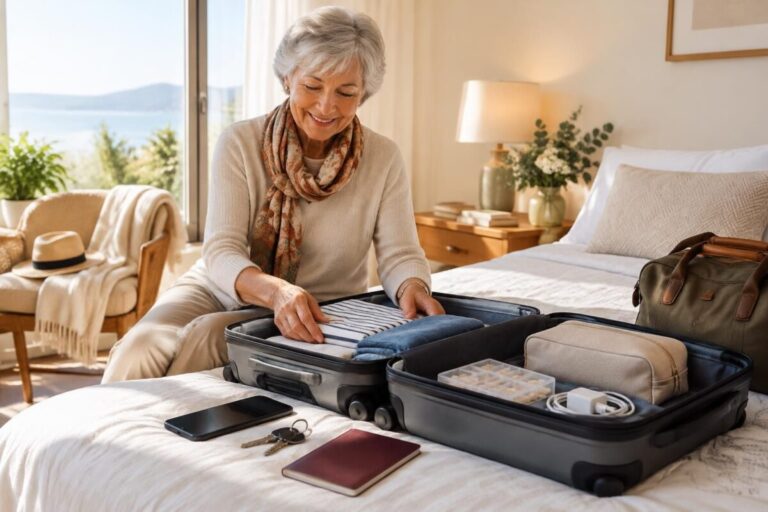
- Keep your documents together. Your passport or ID card, tickets, accommodation details, and insurance documents should be easy to find. Keep separate copies, too.
- Review your health needs before you leave. Make sure you have enough medication for the length of your stay, with a little extra if your healthcare professional recommends it. Keep it in its original packaging and bring any necessary prescriptions.
- Review your insurance coverage. Check what is covered for medical care, baggage, and cancellations. Checking in advance helps you know who to contact and what steps to take.
- Choose accommodation that meets your needs. Confirm that there is an elevator, that the bathroom is accessible, or that the property is close to public transport. Making your request in writing gives you a record of the response.
- Set aside an emergency fund. Keep an accessible amount available for a taxi, a meal, or an unexpected night’s stay. The goal isn’t to predict the exact cost of every problem, but to make sure a modest expense doesn’t disrupt the rest of your trip.
- Write down useful contacts. Keep the numbers for loved ones, your accommodation, your insurance company, and local services in your phone and on paper. Reminders set before you leave can also alert you to a deadline or a medication dose.
- Tell someone you trust. Share your itinerary and important dates with someone close to you. Agree on simple check-in times, especially when traveling solo.
- Have a backup plan for activities. Find a quiet alternative in case the weather turns or you start to feel tired. A realistic itinerary protects the enjoyment of your trip as much as your safety.
These steps all follow the same principle: being organized lays the groundwork, while flexibility helps you adapt. A quick check the day before you leave is often enough to spot a missing document or a change in schedule.
Trip preparation: risks to check first
The best way to prepare is to consider the most likely expenses and difficulties, rather than imagining every possible scenario. For example, if you need to take medication at a set time, pay particular attention to your travel schedule and any time difference.
| What to check | Possible risk | Practical response |
|---|---|---|
| Transport and connections | Delay or missed connection | Allow extra time and note alternative options |
| Health and medications | Forgetting medication or difficulty accessing care | Bring the medications you need and useful contact details |
| Accommodation | Unsuitable facilities or access | Confirm your needs directly with the property |
| Budget | Unexpected expense that is difficult to cover | Keep an accessible reserve and check payment terms |
If an unexpected expense comes up, don’t make a decision in a rush. Calling your insurance company, accommodation provider, or someone close to you may reveal simpler backup options than paying right away or taking out an expensive loan.
A 3-step process for handling the unexpected
- Assess the situation. Work out what needs immediate attention and what can wait. Note the relevant details: location, time, estimated cost, and who needs to be informed.
- Contact the right person. Depending on the problem, call your accommodation provider, transport company, insurance company, or someone close to you. Before agreeing to an expense, ask whether a refund, rescheduling, or another option is possible.
- Adjust your plans. Put your health and safety first, then reorganize your activities. A scaled-back trip is better than sticking to a schedule at the cost of exhaustion.
How to stay organized and flexible during your trip
A useful plan leaves room for rest and changes. If you’re going away for several days, avoid filling every day with activities: one main activity and a lighter alternative make for a better balance, especially if the weather or how you’re feeling changes.
Prepare a small information sheet with your accommodation address, important contacts, and any necessary health information. If you use a phone, make sure your power bank is charged before you leave and that you can access essential documents offline.
Finally, take a few minutes each evening to check the next day’s schedule, weather, medications, and transport options. This quick routine helps you stay safe without turning your trip into a series of checks.
Helpful questions for a more relaxing trip
How much money should you set aside for unexpected expenses while traveling?
There is no one-size-fits-all amount. Set aside a reserve that suits the length of your trip, your transport needs, and your usual expenses, and make sure you can access it without relying on just one bank card.
How can you avoid problems with your medications while traveling?
Check how much you need, how your medications should be stored, and any rules for transporting them. Keep them in their original packaging and ask a healthcare professional for advice if your trip or the time difference affects when you take them.
What should you do if a reservation isn’t as expected when you arrive?
Gather your confirmation and written correspondence, then contact the property or booking platform promptly. Ask for a specific solution before incurring any additional expense.
Should you share your itinerary with someone close to you?
Yes. Sharing your dates, accommodation details, and a way to contact you can make it easier to get help if needed. Also agree on a reasonable schedule for checking in.
Thanks for reading! Feel free to share your thoughts in the comments. — Lucien